Food Concentrate Processing and Packaging
Impact of Uncontrolled Humidity
To keep pace with today’s changing taste and lifestyle of consumers, lemonade concentrate and fruit concentrate companies are incorporating sophisticated technologies to deliver quality products to the market. Every process is performed to ensure that all food products reach the consumer with the right flavor, shape, and longer shelf life. However, moisture control during concentrate processing, packaging, or storage often plays a disruptive role. Thus, humidity control is essential in the food industry in areas like storage, production, packaging, processing, and low-temperature drying.
Consequences of High Humidity
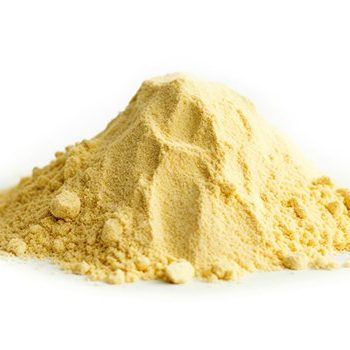
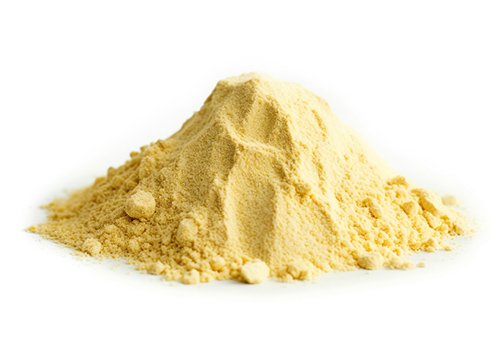
In processing powdery foods, especially health foods like lemonade concentrate, fruit concentrate, protein supplements, soup powders, cocoa, gelatins, dehydrated soft drink concentrate, instant coffee powders, and more, the presence of moisture in the surrounding air can cause lumping and caking of food concentrate. It causes the tiny particles to stick or cluster together, inhibiting their free flow in the manufacturing or packaging process.
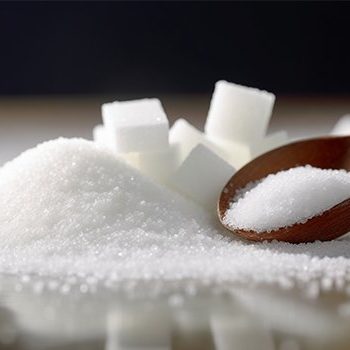
Many granular or powdered materials are transferred to packaging via high-velocity air streams, a process commonly referred to as pneumatic conveying or airveying. Highly hygroscopic materials like sugar, flour, starch, beverage, and food powders make humidity control a crucial element of materials handling systems. The transportation of powdered, granulated, or flaked material by high-velocity airstreams can significantly be improved by drying the air.
In addition, the presence of moisture in the air may interfere with the operation of the processing machine, obstructing the free and easy movement of the foodstuff. The solution to this lies in surrounding the processing and manufacturing area with dry air.
Additional Effects
Presence of moisture can result in:
● Formation of crust, jamming in silos
● Blockage in pneumatic conveying systems
● Blockage in machines
● Hassled and slow transport
● Mold and mildew growth
● Unhygienic storage and transport
● Poor quality of final product
● Loss of flavor and aroma of food
● Short shelf life of food
Causes of Uncontrolled Humidity
Several factors contribute to uncontrolled humidity in the production and storage of convenience food:
● Ambient Environmental Conditions: Seasonal and weather changes can lead to fluctuations in the humidity levels of the ambient air entering the production and storage areas.
● Inadequate Humidity Control Measures: Without proper humidity control systems, the production and packaging areas are susceptible to variations in air moisture content.
● Operator Dependency: Manual adjustments by operators to account for varying humidity levels can lead to inconsistent results and increased dependency on human intervention.
Recommendation
To mitigate the impact of uncontrolled humidity, Josem should implement the following measures:
● Desiccant Dehumidifiers: Using high-performance desiccant dehumidifiers ensures that the inlet air remains consistently dry, regardless of external conditions.
● Automated Monitoring Systems: Implementing automated systems to continuously monitor and adjust humidity levels can reduce dependency on manual interventions.
● Regular Maintenance: Ensuring regular maintenance of the spray drying systems and dehumidifiers to maintain optimal performance.
Solution
Josem Solution for Humidity Control
The solution lies in dehumidifying the air. Josem’s desiccant dehumidification systems ensure optimum humidity control as required by the process and are dependable, efficient, and versatile.Dehumidification allows smooth powder flow even during periods of high humidity. Key benefits include:
● Improved Food Quality: Consistent humidity control leads to uniform drying, resulting in higher quality and consistent food products.
● Reduced Operational Breakdowns: Dry air prevents powders from sticking to machinery, reducing maintenance needs and operational disruptions.
● Optimized Energy Consumption: Dehumidified air requires less energy to heat, leading to reduced energy costs and increased efficiency.
● Increased Shelf Life: Stable and controlled humidity conditions improve the shelf life of food products by preventing moisture regain, retaining original taste and flavor, and maintaining freshness.
Josem’s desiccant dehumidifiers continuously feed dry air to the processing, packaging, and storage areas, maintaining low relative humidity levels and ensuring optimal conditions. This technology has been successfully implemented across
various industries, ensuring the highest standards of product quality and operational efficiency. A few of our reputed clients include leading names like Kellogg’s, Wrigley, Cadbury, Nestle, and Unilever. Our solutions have consistently delivered results in multiple application areas, ensuring that the stringent environmental conditions required for optimal processing are met.
Desired Environmental Conditions Laid Down as per International Standards
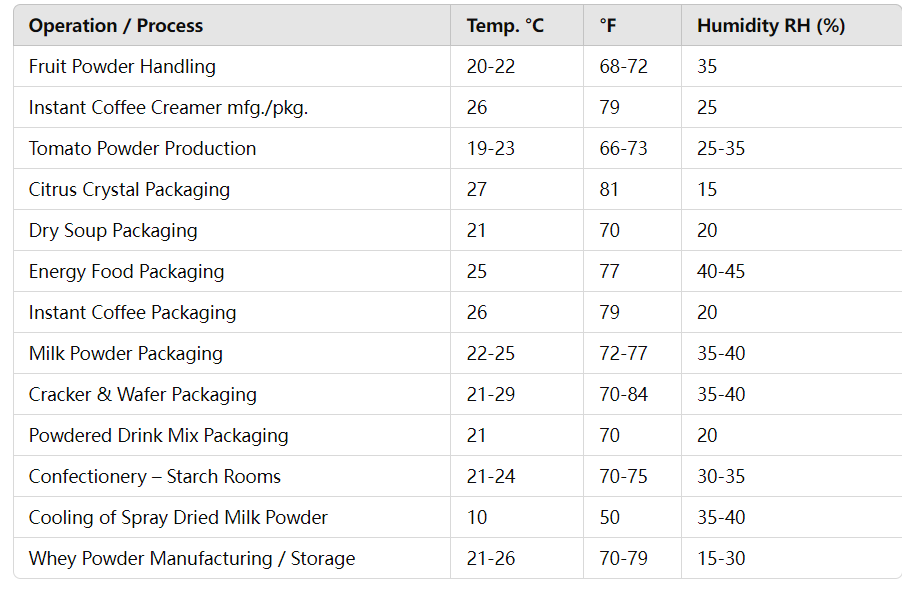
All these conditions can be effectively maintained by using Josem desiccant dehumidifiers, ensuring optimal processing, storage, and packaging conditions.
Josem’s Solution for Humidity Control
Josem offers specialized dehumidification solutions that address the challenges posed by uncontrolled humidity in the processing and storage of lemonade and fruit concentrates. By supplying controlled and consistent dehumidified air to the processing, packaging, and storage areas, Josem’s dehumidifiers enhance the performance and quality of concentrate products. Key benefits include:
● Improved Product Quality: Consistent humidity control leads to uniform drying, resulting in higher quality and consistent concentrate products.
● Operational Efficiency: Dry air prevents powders from sticking to machinery, reducing maintenance needs and operational disruptions.
● Energy Optimization: Dehumidified air requires less energy to heat, leading to reduced energy costs and increased efficiency.
● Extended Shelf Life: Stable and controlled humidity conditions improve the shelf life of concentrate products by preventing moisture regain, retaining original taste and flavor, and maintaining freshness.
Josem’s desiccant dehumidifiers continuously feed dry air to the processing, packaging, and storage areas, maintaining low relative humidity levels and ensuring optimal conditions. This technology has been successfully implemented across various industries, including:
● Tea Withering, Rolling, and DryingFood Powders: Coffee, spices, seasoning, fruit & vegetable concentrates, herbal food, milk, tea, spray-dried eggs, etc.
● Industrial Materials: Ceramic materials, paint pigments, chemicals, etc.
● Pharmaceuticals: Antibiotics, encapsulation, enzymes, vitamins, etc.
In conclusion, integrating Josem’s dehumidification solutions into our production and storage systems will significantly enhance product quality, operational efficiency, and overall production reliability. This strategic investment will ensure that Josem maintains its competitive edge and meets the highest industry standards.