Surface Moisture Drying
Impact of Uncontrolled Humidity
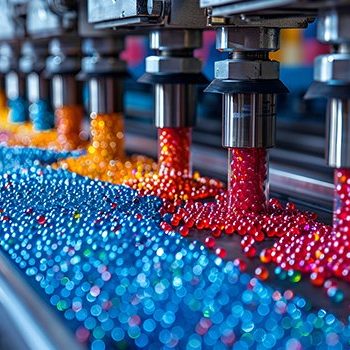
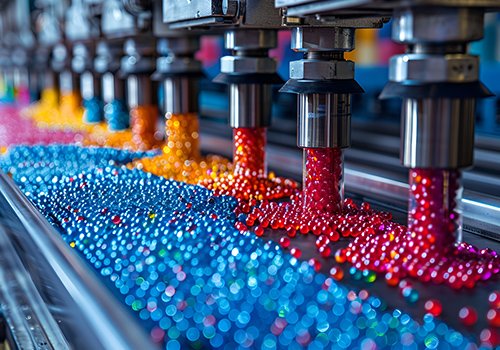
Uncontrolled humidity poses a significant challenge in various industrial processes, including plastic manufacturing. In the plastic industry, uncontrolled humidity can lead to surface moisture issues in plastic granules, affecting their quality and performance. This can result in reduced physical properties of the materials and poor surface finish, ultimately impacting product quality and customer satisfaction.
Consequences of High Humidity
High humidity levels can cause surface moisture to be introduced into plastic granules during processing, cleaning, or storage. This moisture can negatively impact the properties of the plastic materials, leading to issues such as weak stencils, pinholing, sticking of photopositives, lengthened drying times, and poor imaging. Additionally, excessive humidity can result in caking, lumping, and loss of free-flowing properties in plastic materials, further affecting the manufacturing process and product quality.
Additional Effects
In addition to the direct impact on product quality, high humidity can also affect the efficiency and productivity of plastic manufacturing processes. Excessive moisture can lead to equipment corrosion, mold growth, and increased downtime for maintenance and repairs. Moreover, fluctuations in humidity levels can result in inconsistent product quality and increased rejection rates, adding to production costs and reducing profitability.
Causes of Uncontrolled Humidity
Uncontrolled humidity in plastic manufacturing facilities can be attributed to various factors, including climatic conditions, improper storage, and inadequate humidity control measures. Factors such as cleaning and washing processes, high humidity during monsoon seasons, and reverse osmosis during winter can introduce moisture into the production environment. Additionally, poor ventilation and inadequate air circulation can contribute to moisture buildup, exacerbating humidity-related issues.
Recommendation
To mitigate the impact of uncontrolled humidity in plastic manufacturing, it is essential to implement effective humidity control measures. This includes investing in Josem’s advanced rotary desiccant dehumidifiers, which are specifically designed to maintain optimal humidity levels in industrial environments. By controlling humidity levels within the recommended range, Josem’s dehumidifiers can prevent surface moisture issues in plastic granules and ensure consistent product quality.
Solution
Josem’s rotary desiccant dehumidifiers offer a reliable solution for controlling humidity in plastic manufacturing facilities. These dehumidifiers utilize advanced desiccant technology to remove moisture from the air, providing precise humidity control and preventing surface moisture issues in plastic materials. With customizable configurations and efficient operation, Josem’s dehumidifiers are an ideal choice for maintaining optimal humidity levels and maximizing productivity in plastic manufacturing processes.