Gelatin Drying
Impact of Uncontrolled Humidity
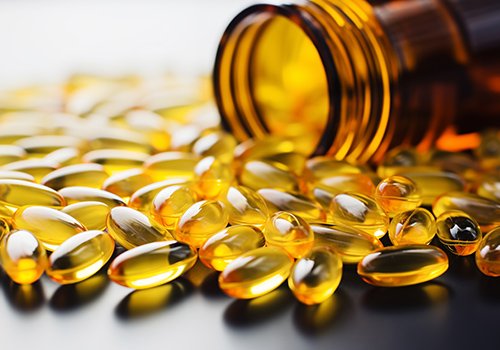
Gelatin or gelatine is a translucent, colorless, brittle (when dry), flavorless food derived from collagen obtained from various animal body parts. It is widely used as a gelling agent in food, pharmaceutical drugs, vitamin capsules, photography, and cosmetic manufacturing.
Applications include:
● Cosmetics: Shampoos, face masks, etc.
● Food Products: Thickeners for fruit gelatins, puddings, candies, marshmallows, cakes, ice cream, and yogurts.
● Photography: Photographic film.
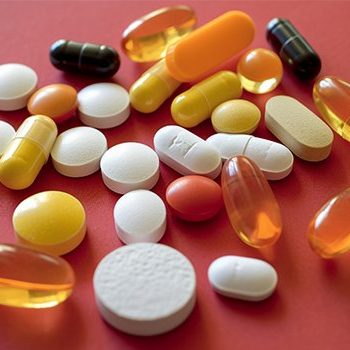
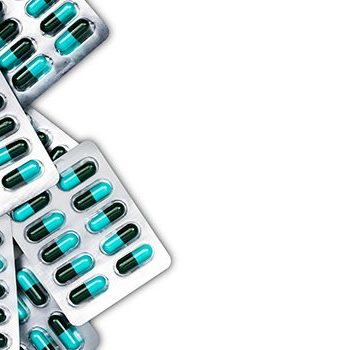
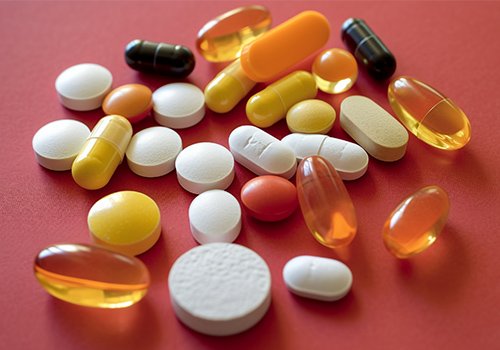
● Pharmaceuticals: Coating and capsules for vitamins and drugs.
● Winemaking: Assisting in “clearing” wines.
● Sensitivity to Moisture and Temperature
Gelatin is sensitive to both moisture and temperature. During the drying stage of gelatin manufacturing, if the air entering the dryer is not properly conditioned, the gelatin may become brittle or fail to solidify correctly. High relative humidity (RH) can lead to microbial contamination, which is highly undesirable in food and pharmaceutical applications.
Consequences of High Humidity
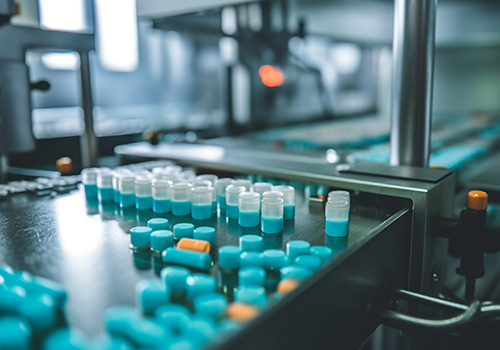
Humidity-related issues in filling operations can result in:
Inaccurate Drug Quantities: Inconsistent filling due to powder clump ing can jeopardize product quality and increase the chances of rejection.
● Equipment Blockages: Clumping can cause equipment blockages and downtime.
● Microbial Contamination: The presence of moisture increases the risk of microbial contamination, threatening product sterility.
● Degradation of Ingredients: Moisture can accelerate the degradation of sensitive pharmaceutical ingredients, reducing the shelf life of the final product.
● Regulatory Compliance Issues: Humidity-induced variations in vial filling may lead to difficulties in meeting regulatory standards.
Additional Effects
Common Sources of Moisture
● Head-space: The air enclosed within the package during production.
● Initial Water Content: The water content initially present in the product.
● Filling Environment: Moisture present in the filling environment.
Causes of Uncontrolled Humidity
The primary factors contributing to uncontrolled humidity in diagnostic centres include:
Environmental Factors: External weather conditions and internal sources of moisture.
Human Activity: Frequent movement of staff and patients can introduce moisture.
Equipment Operation: Heat and moisture generated by medical equipment can alter humidity levels.
Sample Handling: Biological samples, particularly those for culture, release moisture into the environment.
Recommendation
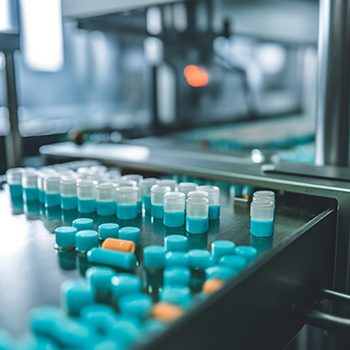
Maintaining specific environmental conditions is critical for optimal filling operations. The recommended conditions for dry powder/vial filling are:
● Temperature: 25°C (77°F)
● Humidity: 20-25% RH
Solution
Dehumidification or moisture/humidity control solutions are essential across various stages and processes of the pharmaceutical industry, including the dry powder/vial filling process.
Why Choose Josem?
Josem Desiccant Dehumidifiers can maintain RH as low as 1% or even lower at a constant level, regardless of ambient conditions. Our dehumidifiers are CNC fabricated with a powder-coated finish and incorporate high-performance Metal Silicate Fluted media, which is bacteria-static, non-toxic, and thus ideal for meeting GMP requirements of the pharmaceutical industry.
Benefits of Installing Josem Dehumidifiers:
● Eliminates Lump Formation: Prevents powder from sticking and clustering.
● Ensures Free Flow of Powder: Maintains consistent flow characteristics for accurate filling.
● Maintains Exact Quantity per Vial: Reduces rejection chances by ensuring precise dosing.
● Prevents Biological Damage: Avoids any biological damage or decomposition of the product.
Conclusion
Implementing Josem Dehumidifiers in the dry powder/vial filling area ensures optimal environmental conditions, maintaining product quality and operational efficiency. This prevents humidity-related issues, supports regulatory compliance, and protects the integrity of pharmaceutical products.