Leather Storage and Packaging
Impact of Uncontrolled Humidity
The leather industry, including Josem Company, is undergoing a transformation towards sustainability and fashionability. While finished leather products are esteemed for their durability, the raw materials utilized, originating from slaughterhouses and meat processing units, are prone to microbial attraction. Uncontrolled humidity exacerbates this vulnerability, posing several detrimental effects throughout the leather production process.
Consequences of High Humidity
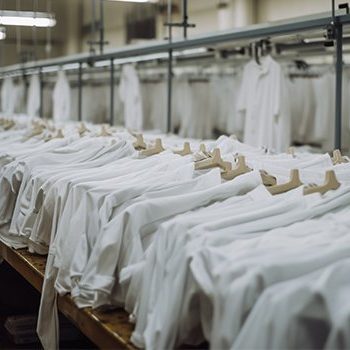
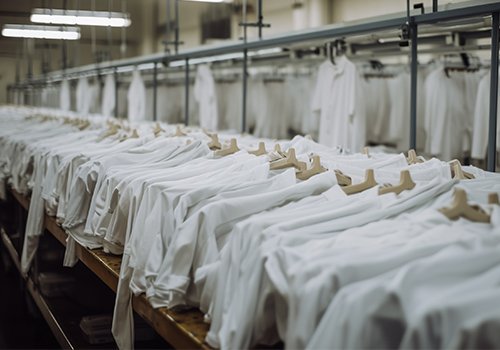
Within tanneries, during pivotal stages like processing, curing, coloring, and finishing, maintaining optimal moisture levels is imperative to thwart microbial proliferation. Leather’s inherent hygroscopic nature renders it susceptible to moisture absorption from the ambient air during storage, packaging, and shipping. Exposure to humid conditions fosters mildew buildup, leading to a gamut of issues including loss of luster, foul odors, discoloration, and structural degradation. Furthermore, mold and fungi thrive in environments with relative humidity exceeding 40%, resulting in irreversible damage to leather goods.
Additional Effects
Uncontrolled humidity engenders a cascade of repercussions across the leather industry. The resurgence of moisture in finished products during storage precipitates a heightened risk of spoilage, attributed to mold, fungus, and mildew proliferation. Temperature fluctuations during shipping exacerbate these challenges, as condensation on leather surfaces provides a conducive milieu for fungal growth. Remedial measures, such as mechanical cleaning, are often insufficient and time-consuming, escalating the risk of irreparable damage and financial losses.
Causes of Uncontrolled Humidity
The porous nature of leather exacerbates its susceptibility to moisture absorption, particularly in environments with inadequate humidity regulation. Temperature differentials during transportation exacerbate this phenomenon, accentuating the need for proactive interventions to mitigate humidity-induced damage.
Recommendation
Josem Company advocates for proactive measures to mitigate the adverse effects of uncontrolled humidity in the leather industry. Implementing humidity-controlled storage facilities, maintaining relative humidity below 40%, and employing dehumidification technologies during packaging and shipping are paramount. These measures safeguard product integrity, mitigate spoilage risks, and enhance customer satisfaction.
Solution
Josem Company offers comprehensive solutions to combat the challenges posed by uncontrolled humidity in the leather industry. Our expertise in dehumidification technologies enables us to tailor solutions that ensure optimal humidity levels throughout the production, storage, and shipping processes. By prioritizing environmental control and adherence to stringent humidity standards, Josem empowers leather manufacturers to deliver superior quality products while minimizing spoilage and financial losses.