Plastics Conveying

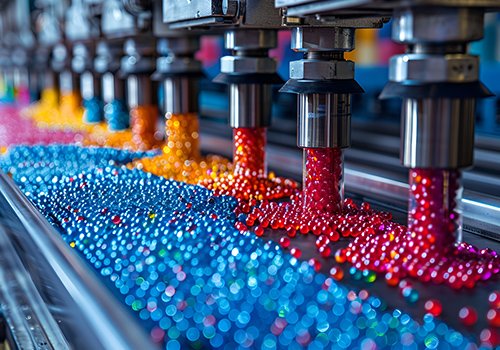
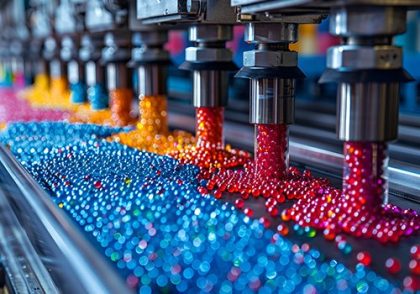
Plastics Conveying Impact of Uncontrolled Humidity Uncontrolled humidity can have detrimental effects on the performance and reliability of plastics conveying systems. Excessive moisture in the air can lead to condensation on the surfaces of equipment and components, potentially causing corrosion, rust, and electrical malfunctions. Moreover, high humidity levels can affect the quality of plastic pellets,…

View Details

Plastic Mould Drying

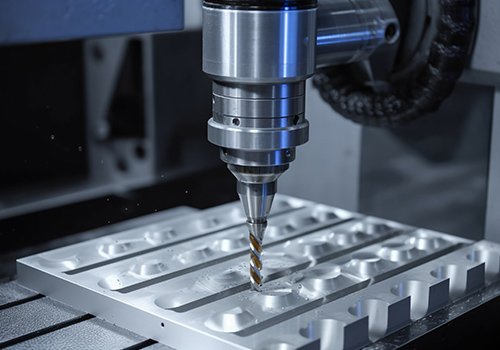
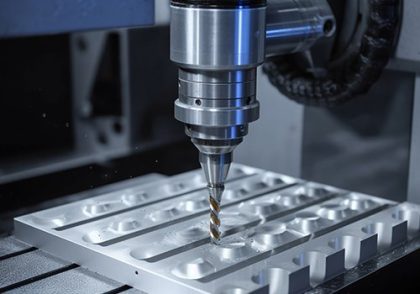
Plastic Mould Drying Impact of Uncontrolled Humidity Uncontrolled humidity during injection moulding processes can lead to condensation on the mould surface. This condensation, caused by the temperature differential between the chilled mould and the surrounding air, results in the formation of water droplets on the mould surface. The presence of moisture adversely affects the quality,…

View Details

Hygroscopic Polymer Drying

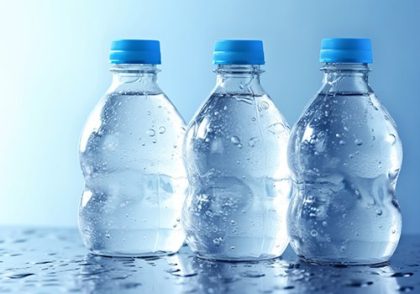
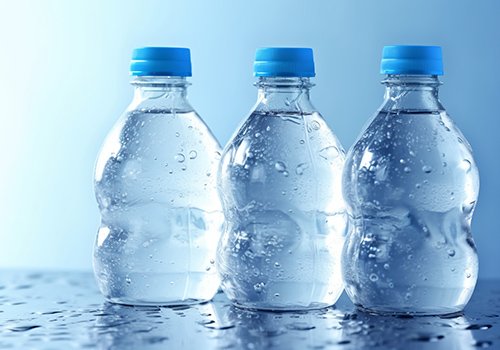
Hygroscopic Polymer Drying Hygroscopic Polymer Drying Uncontrolled humidity poses significant challenges for industries that handle hygroscopic polymers, such as PET and engineering polymers like Nylon/PA66 and PC. Moisture absorption into the core of these polymers during processing can lead to reduced material properties and surface finish. This can occur due to various factors, including environmental…

View Details

Surface Moisture Drying

Surface Moisture Drying Impact of Uncontrolled Humidity Uncontrolled humidity poses a significant challenge in various industrial processes, including plastic manufacturing. In the plastic industry, uncontrolled humidity can lead to surface moisture issues in plastic granules, affecting their quality and performance. This can result in reduced physical properties of the materials and poor surface finish, ultimately…

View Details