Engine Testing Rooms
Engine testing rooms use dehumidifiers to maintain precise temperature and humidity levels critical for reliable testing, with desiccant dehumidifiers being a common choice because they can achieve very low dew points regardless of ambient conditions. This prevents corrosion, condensation, and moisture-related issues that can affect engine sensors and exhaust emission tests, ensuring consistent and high-quality results.
Why dehumidifiers are used in engine testing rooms
- Accurate testing conditions: Engine emission testing requires specific temperature and humidity ranges for consistent and reliable results.
- Corrosion prevention: Uncontrolled humidity can cause corrosion on sensitive engine sensors and metal components, leading to equipment failure.
- Preventing condensation: High humidity can cause condensation, which can damage sensitive electronic components and affect test accuracy.
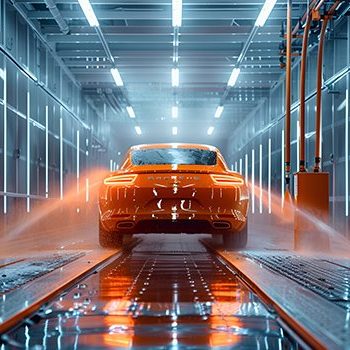
- Controlling paint quality: In automotive manufacturing, controlling humidity is crucial for a high-quality paint finish, reducing dust adhesion and preventing paint evaporation.
Key features to look for
- Industrial-grade capacity: Choose a unit with a high dehumidification capacity suitable for the size of the room.
- Low dew point capability: For critical applications, a unit that can achieve extremely low dew points is essential.
- Stable and reliable operation: The system must provide consistent and reliable performance to meet the stringent requirements of engine testing.
- Energy efficiency: Modern systems incorporate features to improve energy efficiency and reduce operating costs.