Humidity Control in Food Processing
Impact of Uncontrolled Humidity
The increase in the working population, changes in lifestyle, lack of time, and the need for convenience have fueled the demand for packaged and processed food. The availability of frozen food, ready-to-eat snacks and munches, namkeens, instant drink mixes, and more have become the norm.
Effects of Uncontrolled Humidity
Uncontrolled humidity can adversely affect the taste, flavor, and shelf life of processed food. Besides inferior food quality, food processing companies frequently face challenges such as longer drying times, frequent production downtimes, and loss of key characteristics of food products. It is imperative to tackle the moisture menace at every stage of food processing, which means maintaining recommended moisture levels during product drying, processing, packaging, and storage. Some common problems faced by the food processing industries include:
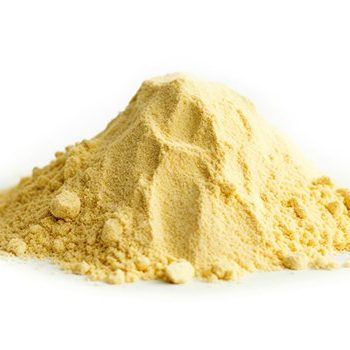
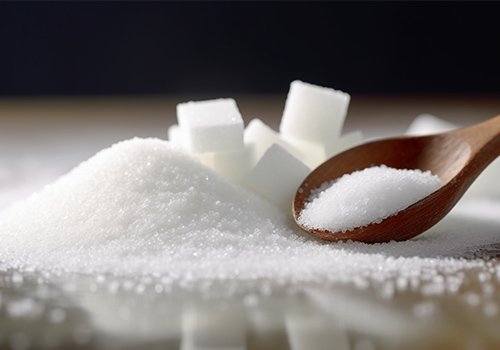
● Lumping and Caking in Powders: Moisture causes powders to clump and cake, making them difficult to handle and package.
● Uneven Drying in Spices: Inconsistent humidity levels result in uneven drying, affecting the quality and flavor of spices.
● Loss of Crispness in Wafers and Chips: High humidity causes wafers and chips to lose their crispness, making them unappealing.
● Loss of Taste and Freshness: Excess moisture can diminish the taste and freshness of processed food.
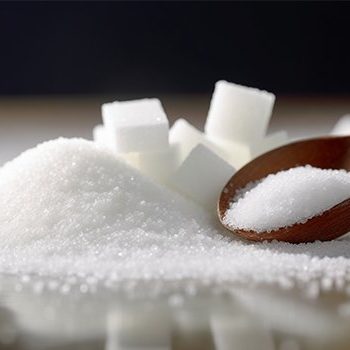
● Stickiness in Candies and Confectioneries: Humid conditions make candies and confectioneries sticky and difficult to package.
● Deformation and Discoloration in Candies and Confectioneries: Moisture can cause candies and confectioneries to deform and discolor, affecting their visual appeal.
● Microbial Growth: High humidity levels promote microbial growth, compromising food safety and shelf life.
Additional Effects
Beyond the immediate impacts on food quality and production efficiency, uncontrolled humidity can also lead to:
● Health and Safety Concerns: Mold and bacterial growth pose health risks to workers and consumers.
● Damage to Reputation: Poor product quality and safety issues can harm the company’s reputation and brand loyalty.
Causes of Uncontrolled Humidity
Several factors contribute to uncontrolled humidity in the processing and storage of processed foods:
● Ambient Environmental Conditions: Seasonal and weather changes can lead to fluctuations in the humidity levels of the ambient air entering the processing and storage areas.
● Inadequate Humidity Control Measures: Without proper humidity control systems, the processing and packaging areas are susceptible to variations in air moisture content.
● Operator Dependency: Manual adjustments by operators to account for varying humidity levels can lead to inconsistent results and increased dependency on human intervention.
Recommendation
To mitigate the impact of uncontrolled humidity, Josem should implement the following measures:
● Desiccant Dehumidifiers: Using high-performance desiccant dehumidifiers ensures that the air remains consistently dry, regardless of external conditions.
● Automated Monitoring Systems: Implementing automated systems to continuously monitor and adjust humidity levels can reduce dependency on manual interventions.
● Regular Maintenance: Ensuring regular maintenance of the dehumidifiers and other humidity control equipment to maintain optimal performance.
Solution
Josem’s Solution for Humidity Control
The solution lies in dehumidifying the air. Josem’s desiccant dehumidification systems ensure optimum humidity control as required by the process and are dependable, efficient, and versatile. Dehumidification allows smooth powder flow even during periods of high humidity. Key benefits include:
● Improved Product Quality: Consistent humidity control leads to uniform drying, resulting in higher quality and consistent food products.
● Operational Efficiency: Dry air prevents powders from sticking to machinery, reducing maintenance needs and operational disruptions.
● Energy Optimization: Dehumidified air requires less energy to heat, leading to reduced energy costs and increased efficiency.
● Extended Shelf Life: Stable and controlled humidity conditions improve the shelf life of food products by preventing moisture regain, retaining original taste and flavor, and maintaining freshness.
Josem’s desiccant dehumidifiers continuously feed dry air to the processing, packaging, and storage areas, maintaining low relative humidity levels and ensuring optimal conditions. This technology has been successfully implemented across various industries, including:
● Powder Food: Maintaining free-flowing powder without clumping.
● Spices: Ensuring even drying and preserving flavors.
● Confectionery: Preventing stickiness and deformation in candies.
● Potato Chips: Keeping chips crispy and fresh.
● Meat and Seafood: Ensuring safe and long-lasting storage.
● Tea: Preserving flavor and freshness.
By integrating Josem’s dehumidification solutions into our production and storage systems, we can significantly enhance product quality, operational efficiency, and overall production reliability. This strategic investment will ensure that Josem maintains its competitive edge and meets the highest industry standards.