Hygroscopic Polymer Drying
Hygroscopic Polymer Drying
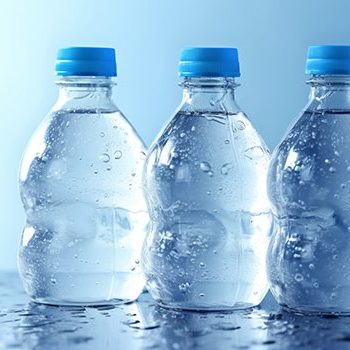
Uncontrolled humidity poses significant challenges for industries that handle hygroscopic polymers, such as PET and engineering polymers like Nylon/PA66 and PC. Moisture absorption into the core of these polymers during processing can lead to reduced material properties and surface finish. This can occur due to various factors, including environmental conditions like high humidity during monsoons and reverse osmosis in winter.
Consequences of High Humidity
High humidity levels can result in compromised material properties and surface finish, leading to defects and reduced product quality. The integration of moisture into the polymer structure during processing can weaken polymer bonds, reducing strength and durability. Additionally, poor surface finish affects the aesthetic appeal and functionality of end products, impacting customer satisfaction and brand reputation.
Additional Effects
In addition to direct consequences, high humidity can also lead to indirect effects such as increased production costs, downtime, and waste. Moisture-related defects may require rework or scrapping of products, leading to financial losses and delays in delivery schedules. Moreover, maintaining optimal humidity levels is essential for regulatory compliance and maintaining a competitive edge in the market.
Causes of Uncontrolled Humidity
Uncontrolled humidity can be attributed to various factors, including environmental conditions, inadequate ventilation, and human activities. Changes in weather patterns, such as monsoons and winter, contribute to fluctuations in humidity levels, affecting polymer processing. Inadequate ventilation systems and equipment malfunction can exacerbate moisture buildup, further impacting production processes.
Recommendation
To mitigate the impact of uncontrolled humidity, Josem recommends implementing proactive measures such as:
● Continuous monitoring: Utilize humidity monitoring systems to track humidity levels in critical areas and adjust environmental conditions accordingly.
● Proper ventilation: Ensure adequate ventilation systems are in place to promote air circulation and prevent moisture buildup.
● Maintenance of equipment: Regular maintenance and servicing of dehumidification equipment, including Josem’s rotary desiccant dehumidifiers, can ensure optimal performance and humidity control.
● Employee training: Provide training to employees on the importance of humidity control and best practices for maintaining appropriate humidity levels in work areas.
Solution
As a solution to control humidity levels, Josem offers its advanced rotary desiccant dehumidifiers. These dehumidifiers utilize innovative technology to efficiently remove excess moisture from the air, ensuring precise control over humidity levels in industrial, commercial, and residential settings. Josem’s rotary desiccant dehumidifiers are designed to deliver reliable performance, energy efficiency, and low maintenance requirements, making them an ideal choice for businesses and industries seeking effective humidity control solutions. With Josem’s rotary desiccant dehumidifiers, businesses can safeguard their operations, protect valuable assets, and maintain optimal working conditions regardless of external humidity fluctuations. For assistance in selecting the most suitable dehumidification solution for your application, please contact us.