Spray Drying
Impact of Uncontrolled Humidity
Spray drying systems are crucial in industries such as food & beverage, pharmaceuticals, and chemicals, where they are used to produce fine and uniform micron-sized particles. However, the effectiveness of these systems is heavily influenced by the quality of the inlet air. Uncontrolled humidity can significantly impact the spray drying process, leading to inconsistent product quality and operational inefficiencies. For Josem, maintaining optimal humidity control is essential to ensure high-quality production and operational efficiency in our spray drying systems.
Consequences of High Humidity
High humidity levels introduce several challenges in the spray drying process, including:
● Inconsistent Powder Quality: Variations in humidity can cause fluctuations in the moisture content of the final powder product, leading to inconsistencies in quality.
● Operational Breakdowns: Humidity causes powdered materials to stick to hopper conveyors and packing machines, resulting in frequent breakdowns and increased maintenance costs.
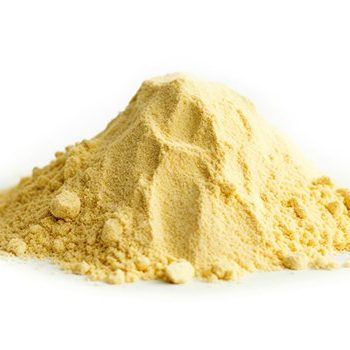
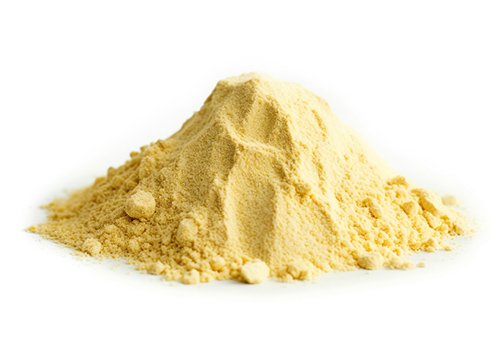
● Sticking of Powder to Dryer Walls: High humidity can cause powder to adhere to the walls of the spray dryer, disrupting the drying process and reducing throughput.
● Increased Drying Cycle Time: The presence of moisture in the air lengthens the drying cycle, reducing overall efficiency.
● Reduced Throughput: As a result of these issues, the overall throughput of the spray drying system is diminished, affecting production schedules and output.T
Additional Effects
Beyond the immediate operational issues, high humidity can lead to:
● Higher Operational Costs: Frequent breakdowns and increased drying times lead to higher operational and maintenance costs.
● Quality Control Issues: Inconsistent product quality can result in batch rejections and increased quality control scrutiny, impacting the overall production timeline.
● Customer Dissatisfaction: Variations in product quality can lead to customer dissatisfaction and potential loss of business.
Causes of Uncontrolled Humidity
Several factors contribute to uncontrolled humidity in spray drying systems:
● Ambient Environmental Conditions: Seasonal and weather changes can lead to fluctuations in the humidity levels of the ambient air entering the spray dryer.
● Inadequate Humidity Control Measures: Without proper humidity control systems, the spray dryer is susceptible to variations in inlet air conditions.
● Operator Dependency: Manual adjustments by operators to account for varying humidity levels can lead to inconsistent results and increased dependency on human intervention.
Recommendation
To mitigate the impact of uncontrolled humidity, Josem should implement the following measures:
● Desiccant Dehumidifiers: Using high-performance desiccant dehumidifiers ensures that the inlet air remains consistently dry, regardless of external conditions.
● Automated Monitoring Systems: Implementing automated systems to continuously monitor and adjust humidity levels can reduce dependency on manual interventions.
● Regular Maintenance: Ensuring regular maintenance of the spray drying systems and dehumidifiers to maintain optimal performance.
Solution
Josem Solution for Humidity Control
Josem offers specialized dehumidification solutions that address the challenges posed by uncontrolled humidity in spray drying systems. By supplying controlled and consistent dehumidified air to the inlet point, Josem’s dehumidifiers enhance the performance and output of spray dryers, resulting in higher quality powder production. Key benefits include:
● Improved Powder Quality: Consistent humidity control leads to uniform drying, resulting in higher quality and consistent powder products.
● Reduced Operational Breakdowns: Dry air prevents powder from sticking to machinery, reducing maintenance needs and operational disruptions.
3.Optimized Energy Consumption: Dehumidified air requires less energy to heat, leading to reduced energy costs and increased efficiency.
● Increased Throughput: Stable and controlled drying conditions improve the overall throughput of the spray drying system.
Josem’s desiccant dehumidifiers continuously feed dry air to the spray dryer chamber, maintaining low dew points and ensuring optimal drying conditions. This technology has been successfully implemented in coffee powder spray drying units and is applicable across various industries, including:
● Food Powder: Coffee, spices, seasoning, fruit & vegetable concentrates, herbal food, milk, tea, spray-dried eggs, etc.
● Industrial: Ceramic materials, paint pigments, chemicals, etc.
● Pharmaceuticals: Antibiotics, encapsulation, enzymes, vitamins, etc.
In conclusion, integrating Josem’s dehumidification solutions into our spray drying systems will significantly enhance product quality, operational efficiency, and overall production reliability. This strategic investment will ensure that Josem maintains its competitive edge and meets the highest industry standards.