Tablet Coating, Compression, and Packaging
Impact of Uncontrolled Humidity
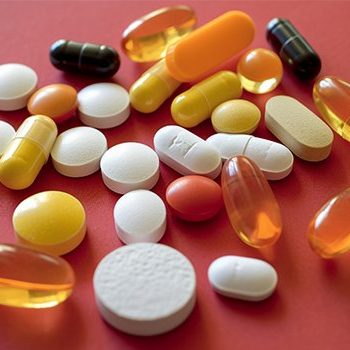
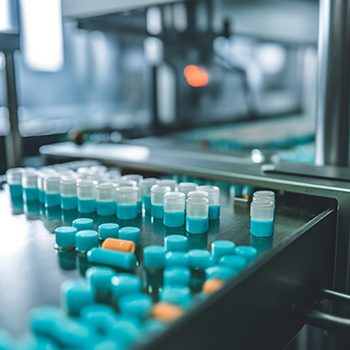
Tablet coating is a critical process in pharmaceutical manufacturing, characterized by high temperatures ranging from 70 to 90°C and a very low dew point between 0 to -10°C. During the tablet coating process, a heavy sugar solution is added to the tumbling mass in the coating pan. As the water evaporates, sugar crystals form a smooth, opaque coating on each tablet. Proper air blowing at the correct dry and wet bulb temperatures is essential for achieving the desired coating quality. If the cooling and drying rates are not properly controlled, the coating can become rough, translucent, or even chip, exposing the interior of the tablets.
Consequences of High Humidity
Inadequate dry air during the coating process can lead to several issues, including:
● Pitting: Small depressions or imperfections on the tablet surface, affecting the aesthetic quality of the tablets.
● Rough and Translucent Coating: Insufficient control over temperature and humidity can result in an unsatisfactory appearance.
● Chipping: If the drying process is too fast, the coating can chip, exposing the tablet’s interior.
Additional Effects
Inconsistent Coating: Variations in temperature and dew point can lead to inconsistent coating thickness, affecting dosage and drug release rates.
● Decreased Product Stability: Poorly coated tablets are more susceptible to environmental factors, which can degrade the active ingredients.
● Increased Rejection Rates: Tablets with defects in coating quality are likely to be rejected during quality control checks, increasing production costs.
Causes of Uncontrolled Humidity
Several factors can contribute to uncontrolled temperature and dew point during the tablet coating process:
● Inefficient HVAC Systems: Inadequate heating, ventilation, and air conditioning systems can lead to fluctuations in temperature and humidity.
● Ambient Environmental Conditions: External weather conditions can affect the indoor environment, causing variations in the coating process.
● Process Emissions: The coating process itself can introduce moisture and heat into the environment, complicating control efforts.
Recommendation
To ensure high-quality tablet coating, it is essential to maintain the following environmental conditions:

Ensuring the recommended temperature and dew point parameters is crucial for the overall quality of the final pharmaceutical product. This will guarantee not only the visual appeal of the tablets but also their effectiveness and stability.
Solution
Why Choose Josem?
Josem Desiccant Dehumidifiers provide the ideal solution for controlling humidity and temperature during the tablet coating process. Our dehumidifiers are specifically designed to meet the stringent requirements of the pharmaceutical industry.
Benefits of Josem Dehumidifiers:
● Precision Humidity Control: Maintain RH as low as 1% or even lower, regardless of ambient conditions.
● High-Performance Media: Incorporate high-performance Metal Silicate Fluted media, which is bacteria-static and non-toxic, making it ideal for GMP requirements.
● Durability and Efficiency: CNC fabricated with a powder-coated finish for enhanced durability and performance.
Conclusion
Implementing Josem Desiccant Dehumidifiers in the tablet coating process ensures precise control over temperature and humidity, preventing common issues such as pitting, rough coating, and chipping. This precision in environmental control is essential for producing high-quality pharmaceutical products that meet the highest standards of safety and efficacy.